If you picture Bel Air as pure prestige, you are only seeing part of the story. What sets daily life apart here is not just the address, but the feeling of space, privacy, and calm that shapes how your day unfolds. If you are wondering what it actually feels like to live in Bel Air, this guide walks you through the rhythm of the neighborhood, from quiet mornings at home to nearby dinners, errands, and cultural outings. Let’s dive in.
Bel Air Feels Residential First
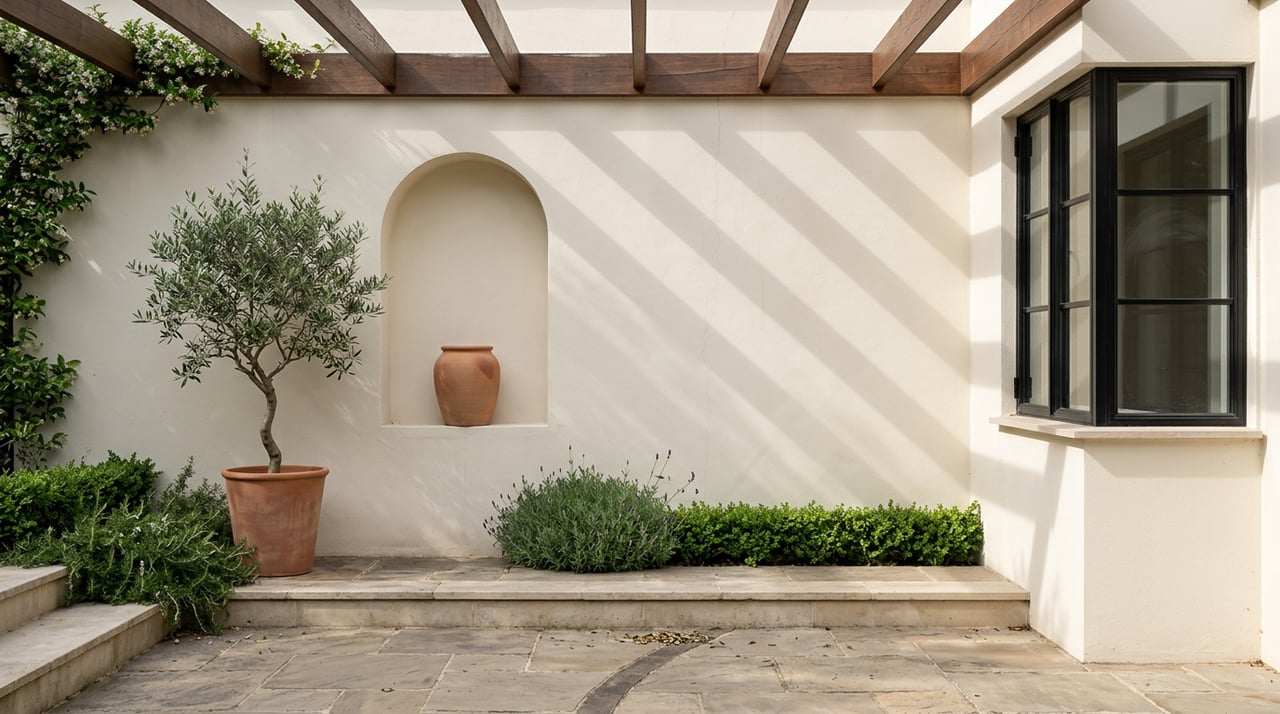
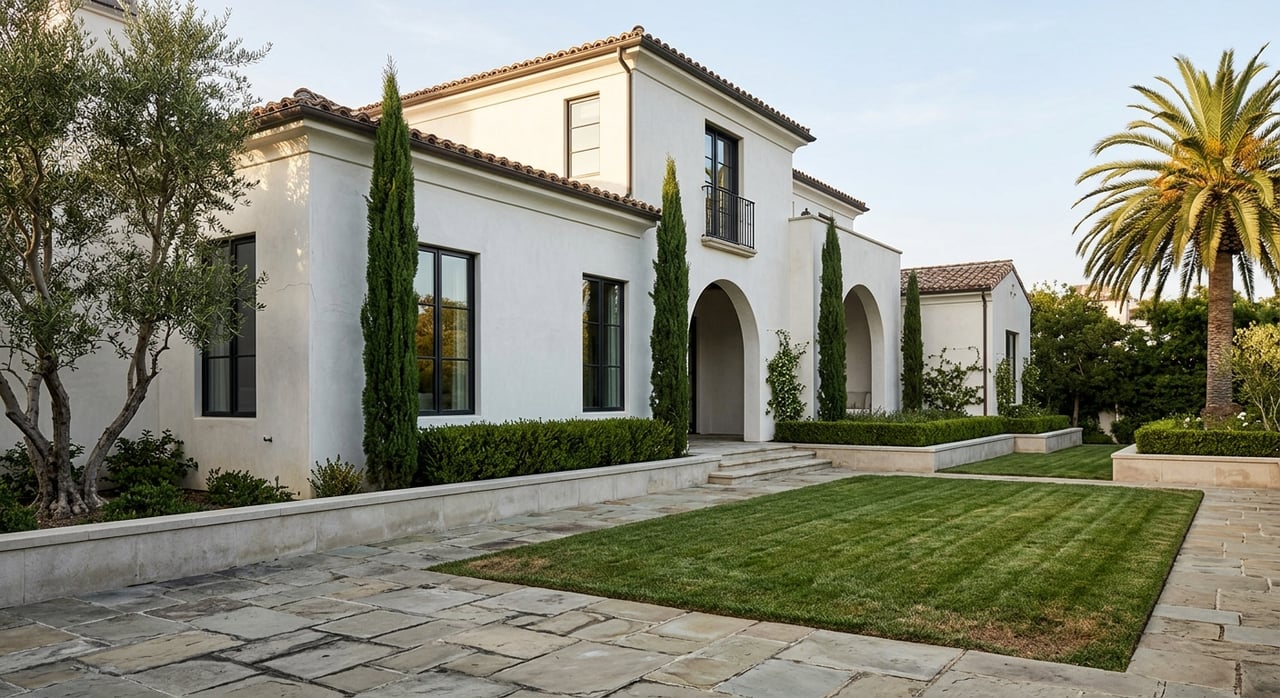
Bel Air is defined by a distinctly residential character. The City of Los Angeles community plan for Bel Air-Beverly Crest treats the area as a predominantly single-family, low-density neighborhood, with an emphasis on preserving open land, natural topography, scenic views, and the open character of hillside development.
In practical terms, that means daily life feels removed from the pace of a mixed-use urban district. Commercial activity is limited to existing neighborhood centers, and the plan includes no industrial land uses. For many residents, that translates into a setting that feels more like a private hillside retreat than a place built around constant activity.
The Bel-Air Association describes the neighborhood as roughly bounded by Mulholland, Sunset, Beverly Glen, and Sepulveda, with more than 2,000 properties. That scale helps explain why Bel Air can feel expansive without feeling dense.
Privacy Shapes the Daily Experience
One of the clearest distinctions in Bel Air is privacy. City planning language highlights secluded areas free from through-traffic, which supports the sense of calm and separation that many people associate with the neighborhood.
You notice that difference in the way the area is laid out. Streets follow hillside contours rather than a flat city grid, and the planning framework emphasizes existing trees and design that works with the topography. The result is a setting defined by curves, slopes, landscaping, and long sightlines instead of storefronts and crowded corners.
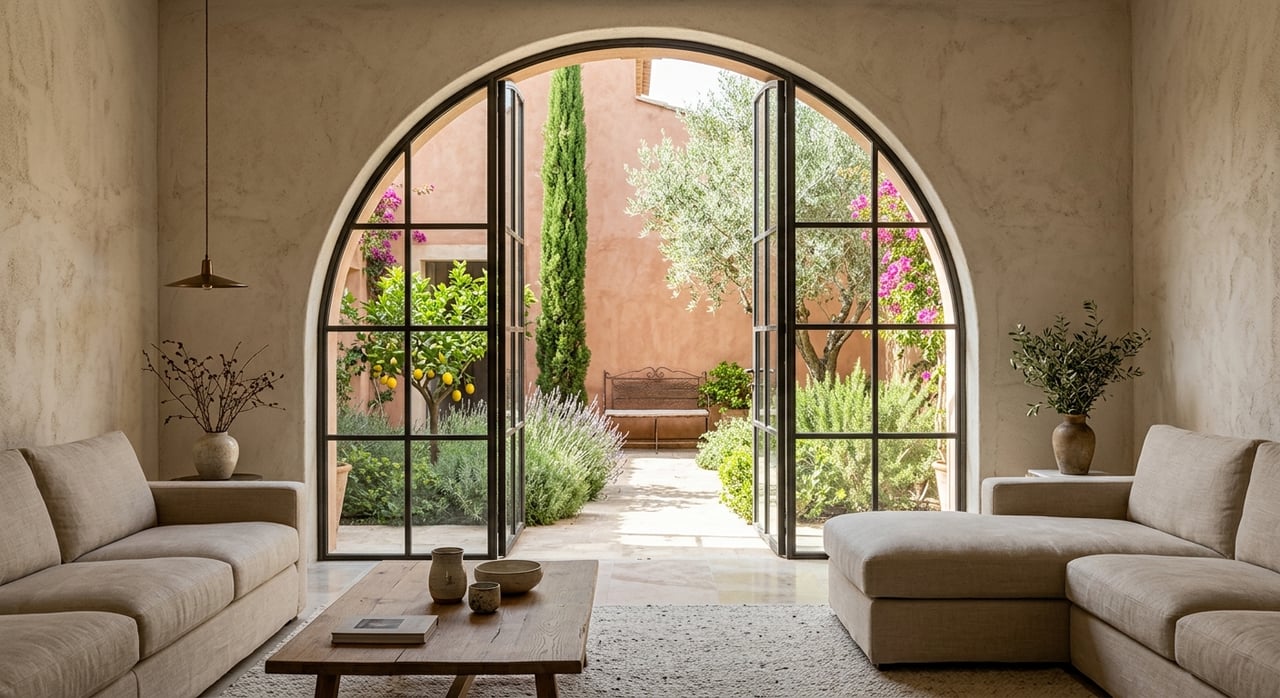
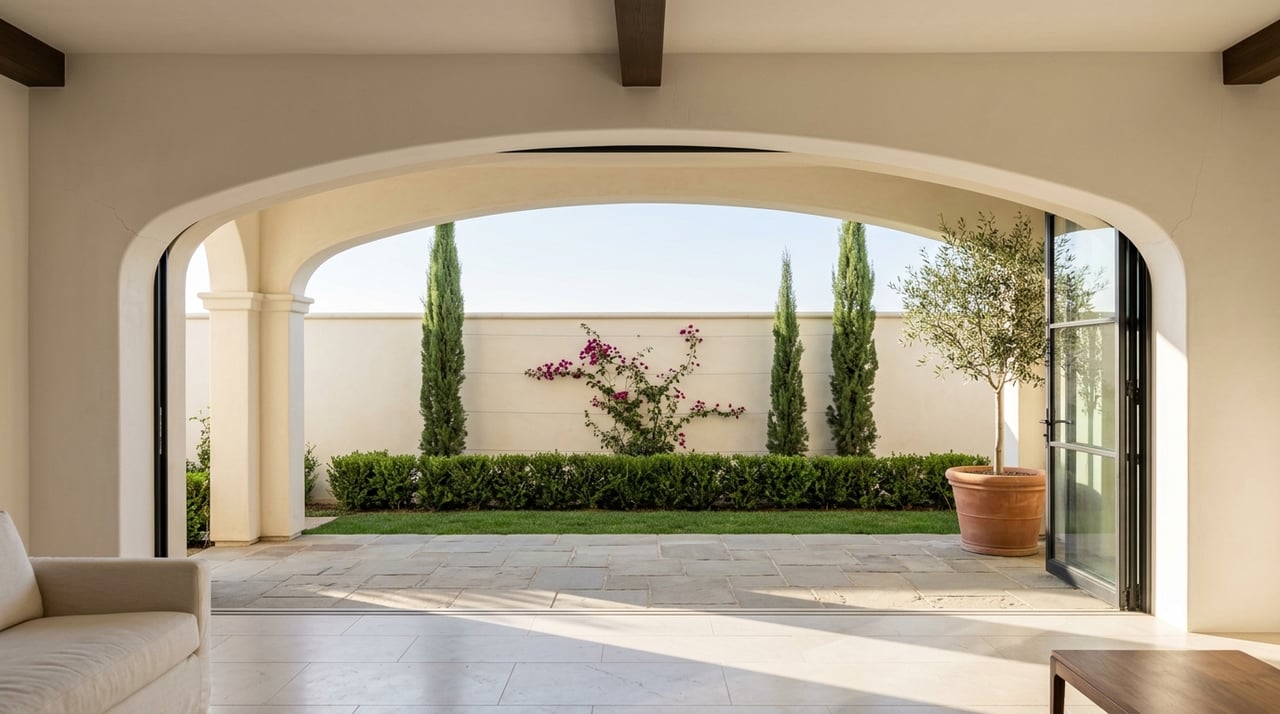
For you as a resident, that often means home becomes the center of daily life. Time tends to feel anchored by the property itself, whether that means a quiet morning, an afternoon by the pool, or an evening spent entertaining in a more intimate setting.
Errands Tend to Happen Nearby
Bel Air is not set up like a neighborhood where you step outside and walk to a row of cafes, shops, and services. Planning documents point to a handful of neighborhood commercial nodes, including upper Roscomare Road, Beverly Glen Circle, and the Sepulveda-Moraga area.
That limited commercial footprint suggests a more car-oriented routine. Instead of running errands in the middle of the neighborhood, residents often cluster day-to-day stops along the edges of Bel Air or head into nearby districts.
For many buyers, this is part of the appeal rather than a drawback. You get a quieter residential environment at home, while practical needs remain close enough to handle efficiently.
Westwood Adds Everyday Convenience
When you need more daily options, Westwood is one of the most useful nearby destinations. UCLA’s campus sits at 405 Hilgard Avenue, with campus edges on Sunset, Le Conte, Hilgard, and Gayley, making it a familiar reference point for people moving between Bel Air and the surrounding Westside.
Westwood Village adds another layer of convenience. Its official visitor information lists dining, shopping, services, events, and a farmers’ market, which makes it a practical extension of daily life for Bel Air residents.
That combination matters. You can enjoy a quieter home base in Bel Air while still having access to useful, active destinations close by when your schedule calls for them.
Dining in Bel Air Starts With Hotel Bel-Air
For in-neighborhood dining, Hotel Bel-Air is the clearest anchor. Its official dining program includes breakfast, lunch, dinner, cocktails, afternoon tea, private dining, the Bar & Lounge, The Living Room, and The Pâtisserie.
The hotel’s 2024 release describes these spaces as designed to create day-to-evening experiences for guests and neighbors alike. That helps explain why Hotel Bel-Air plays such an important role in the local lifestyle. It offers a polished setting close to home without changing the neighborhood’s residential character.
If you live in Bel Air, this can make entertaining feel simple and refined. A lunch meeting, a quiet drink, or an elegant dinner can all happen nearby, without the feel of a busy commercial strip.
Evenings Often Extend to Beverly Hills
For a broader dining and social circuit, Beverly Hills is a natural next stop. Official Beverly Hills dining materials describe an international restaurant scene concentrated along Canon Drive’s Little Restaurant Row and around the Golden Triangle.
Current city materials also highlight destinations such as Spago, CUT Lounge, The Maybourne Bar, and Honor Bar. For Bel Air residents, that means you can keep your home life private and understated while still having easy access to a well-established evening scene nearby.
This balance is part of Bel Air’s appeal. You are not living in the middle of nightlife, but you are not far from it when the occasion calls for dinner, drinks, or a more social night out.
The Neighborhood Has a Long Club Tradition
Bel Air’s identity has long included a private-club dimension. The Bel-Air Association notes that Bel-Air Country Club was incorporated in 1924, which serves as a useful marker of that tradition.
While every resident uses the neighborhood differently, the history helps explain the tone of social life many people associate with Bel Air. It tends to feel more centered on private entertaining, club settings, and invitation-based gatherings than on a public nightlife corridor.
That distinction matters if you are comparing Bel Air with more visibly active luxury areas. The atmosphere here is often quieter, more contained, and more centered on private settings.
Outdoor Access Is Part of the Lifestyle
Bel Air offers more than privacy and proximity to dining. It also sits close to meaningful outdoor assets that give the area a different daily texture.
Franklin Canyon Park is one of the strongest examples. The Mountains Recreation and Conservation Authority describes it as a 605-acre park between the San Fernando Valley and Beverly Hills, with chaparral, grasslands, oak woodlands, a lake, picnic grounds, and more than five miles of hiking trails.
That kind of access can change the feel of a week. A neighborhood known for estates and hillside roads also offers nearby options for walking, hiking, and spending time outdoors without going far.
Scenic Setting Matters Every Day
The Bel Air-Beverly Crest community plan does more than regulate land use. It also explicitly calls for hiking, biking, and equestrian trail access, protects scenic corridors including the Mulholland Scenic Parkway, and emphasizes open-space conservation.
For you, that means the landscape is not incidental. The scenery, preserved topography, and natural setting are part of what shape the neighborhood’s everyday experience.
This is one reason Bel Air often feels different from other luxury markets. The value is not only in the homes themselves, but in the sense of separation, the preserved hillsides, and the visual calm that comes with them.
Cultural Outings Stay Close to Home
If your ideal routine includes cultural destinations as well as residential privacy, Bel Air offers that balance too. The Getty Center sits just off the west side of the 405 north of Sunset Boulevard at 1200 Getty Center Drive.
According to Getty visitor information, the campus offers free admission with timed-entry reservations, along with dining and shopping on site. That makes it an easy option for an afternoon outing that feels substantial without requiring a major commitment of time.
Being able to move between a quiet residential setting, outdoor space, and a major cultural institution is part of what gives Bel Air its layered appeal. The neighborhood feels tucked away, but not disconnected.
What Daily Life in Bel Air Really Feels Like
At its core, Bel Air offers a home-first lifestyle. The neighborhood is shaped by low-density planning, limited commercial activity, hillside streets, and a strong emphasis on open space and privacy.
That creates a daily rhythm that is less about walking from one destination to the next and more about enjoying a residential retreat with selective access to excellent nearby amenities. Dinner at Hotel Bel-Air, errands in Westwood, an evening in Beverly Hills, a walk near Franklin Canyon, or a visit to the Getty can all fit naturally into that pattern.
For many buyers and homeowners, that is the real luxury of Bel Air. It is not just about status. It is about having options, while still returning to a setting that feels private, quiet, and distinctly apart from the city around it.
If you are considering a move in Bel Air or preparing to position a property in this market, Joe Babajian offers discreet guidance, deep Westside knowledge, and a private consultation tailored to your goals.
FAQs
What does daily life in Bel Air feel like for residents?
- Daily life in Bel Air often feels private, residential, and home-centered, with low-density hillside surroundings, limited commercial activity, and nearby access to dining, errands, and cultural destinations.
Is Bel Air walkable for everyday errands and dining?
- Bel Air is generally more car-oriented than walkable, with only a few neighborhood commercial nodes and most errands or dining options located along the neighborhood’s edges or in nearby areas.
Where do Bel Air residents go for dinner and drinks?
- In Bel Air, Hotel Bel-Air is the main in-neighborhood dining anchor, while nearby Beverly Hills offers a broader restaurant and bar scene.
What outdoor options are near Bel Air for residents?
- Near Bel Air, Franklin Canyon Park offers 605 acres of outdoor space, including a lake, picnic grounds, and more than five miles of hiking trails.
What makes Bel Air different from other Los Angeles luxury neighborhoods?
- Bel Air stands out for its preserved hillside setting, privacy, limited through-traffic, low-density residential planning, and convenient access to nearby amenities without giving up a quiet home base.