If you want a Los Angeles address that feels both connected and secluded, Holmby Hills stands apart. You get a neighborhood shaped by estate living and privacy, yet you are still close to the energy of UCLA, Westwood, and some of the Westside’s most established social anchors. For buyers and owners alike, that mix helps explain why Holmby Hills holds such a distinct place in the market. Let’s take a closer look.
Holmby Hills Has a Distinct Identity
Holmby Hills is not simply a luxury neighborhood with a famous name. According to Los Angeles City Planning’s historic survey, it developed as an early planned estate community with streets, sewer lines, streetlamps, underground utilities, and recreation features such as bridle trails and parks. It was originally promoted in part for its proximity to Westwood and the Los Angeles Country Club.
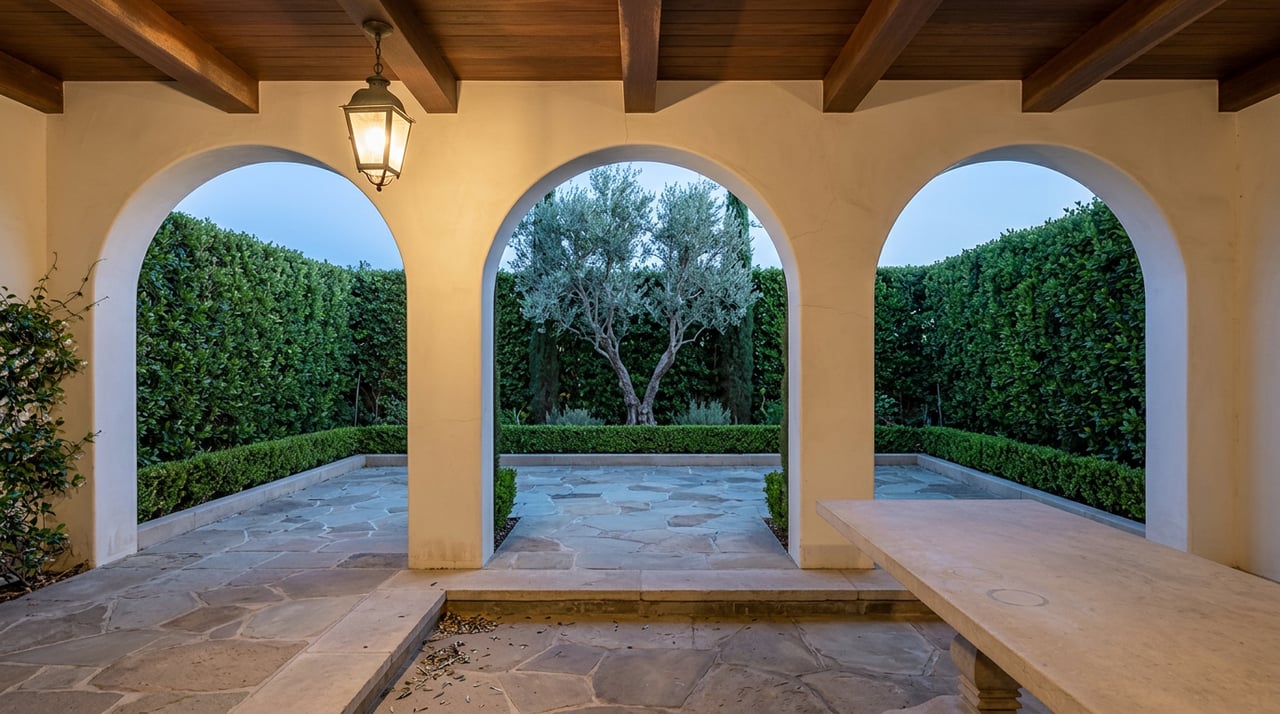
That history still shapes how the neighborhood feels today. The area is defined by large parcels, winding streets, mature trees, privacy walls, and hedges. In the north-of-Sunset core described by the survey, the streets are narrow and there are no sidewalks, which reinforces a calm, residential setting centered on arrivals by car rather than foot traffic.
Between Westwood and Club Life
One of Holmby Hills’ most notable advantages is where it sits in relation to surrounding destinations. UCLA’s Westwood campus is just nearby, and the university describes the campus as a 419-acre "college in a garden." Westwood Village, just south of campus, adds an everyday mix of shops, restaurants, and movie theaters to the broader area.
That closeness gives Holmby Hills a rhythm that differs from other estate neighborhoods. You are near a major university and the activity that comes with it, but you return home to a setting that remains largely private and residential. For many buyers, that balance is a major part of the appeal.
UCLA Adds Daily Convenience
UCLA Transportation notes that BruinBus provides complimentary year-round service through the UCLA campus and Westwood Village. While Holmby Hills itself is not a walk-to-retail neighborhood in the traditional sense, having campus and village destinations so close expands your options for nearby errands, dining, and cultural activity.
This is one reason Holmby Hills can feel more connected than other estate districts. You are not in the middle of a retail core, but you are close to one of Los Angeles’ most established neighborhood centers.
Clubs Are Part of the Landscape
The country-club presence here is not incidental. The Los Angeles Country Club sits at 10101 Wilshire Boulevard, and Bel-Air Country Club is at 10768 Bellagio Road. City Planning’s survey also notes that proximity to LACC was part of Holmby Hills’ original marketing, which means club adjacency has long been part of the neighborhood’s identity.
For buyers who value established institutions and long-standing neighborhood patterns, that matters. The setting feels less like a trend and more like a legacy environment shaped over time.
Privacy Defines the Experience
Privacy is one of the clearest themes in Holmby Hills. The planning survey describes a district where many properties are screened by walls and hedges, with homes set on large lots and streets designed in a way that limits casual pass-through activity. That physical layout creates a more insulated day-to-day experience.
In practical terms, Holmby Hills is better understood as a destination neighborhood than a stroll-and-shop neighborhood. Residents tend to move between home, club, campus, or city destinations by car. If your priority is seclusion, controlled visibility, and estate-style spacing, this is a meaningful differentiator.
Homes Reflect Scale and Architectural Pedigree
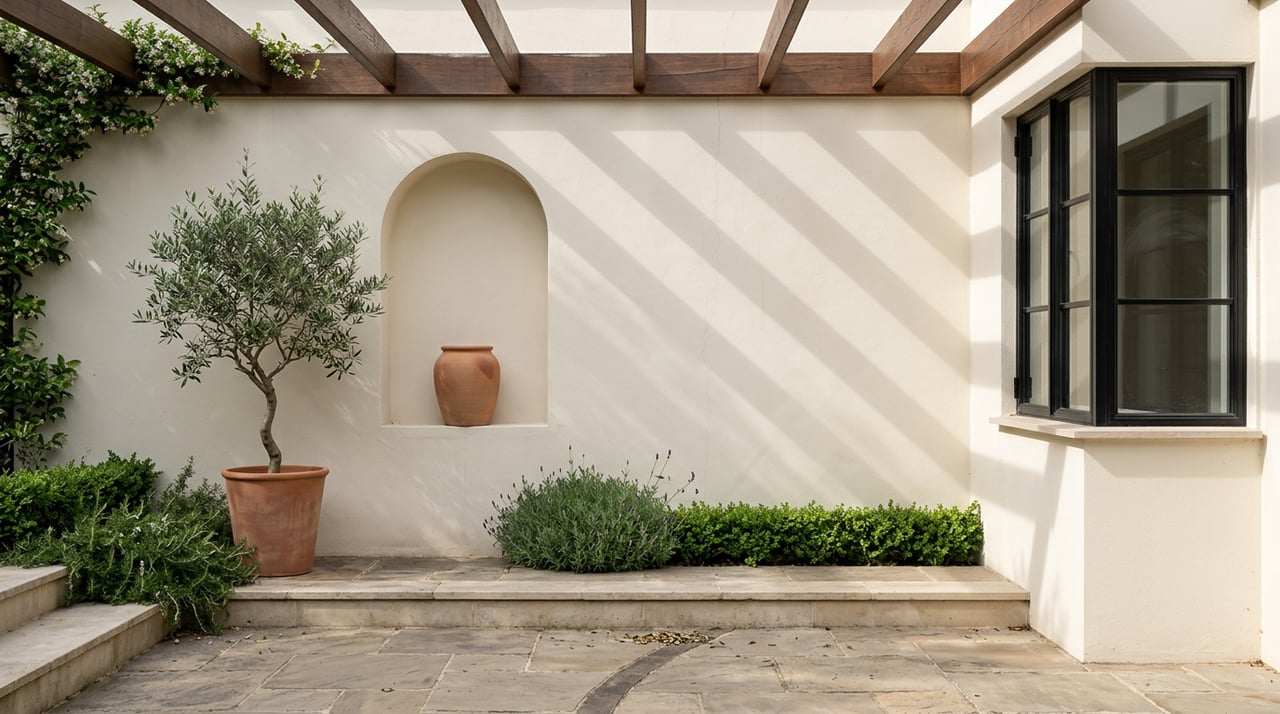
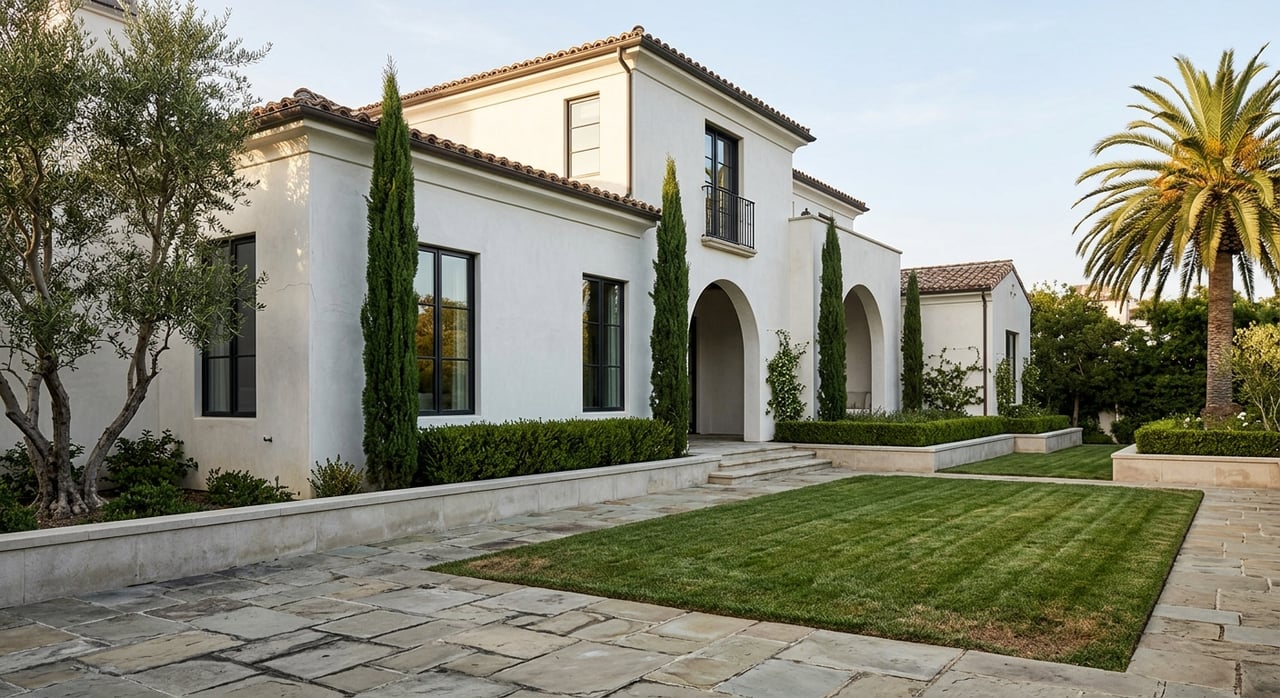
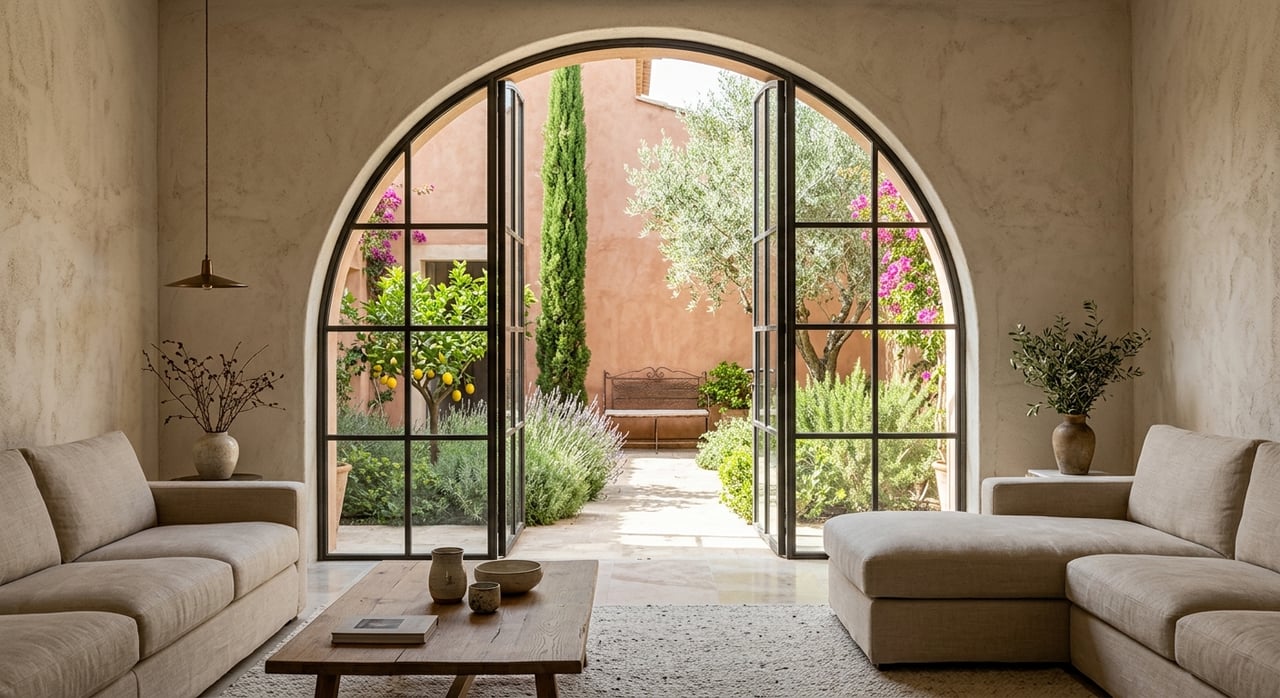
Holmby Hills is also known for the character of its housing stock. City Planning describes the district as mostly one- to two-story single-family residences, often in Period Revival styles. Many lots are large enough to accommodate lawns, gardens, pools, and tennis courts, which contributes to the estate atmosphere buyers expect here.
The neighborhood’s architectural pedigree is especially notable. The survey identifies a high concentration of architect-designed homes by Paul R. Williams, Wallace Neff, Gordon Kaufmann, George Washington Smith, and Roland E. Coate. For buyers who value design history, provenance, and lasting craftsmanship, that concentration helps set Holmby Hills apart.
Estate Parcels Shape Buyer Expectations
Large lots change how a neighborhood lives. In Holmby Hills, parcel scale often allows for longer driveways, deeper setbacks, formal gardens, and greater separation between neighboring homes. That adds both visual calm and practical privacy.
It also shapes market expectations. Buyers typically come to Holmby Hills looking for space, discretion, and a sense of permanence. Even when homes have been updated over time, the underlying land pattern remains one of the area’s strongest advantages.
Holmby Park Offers a Local Outdoor Anchor
Because Holmby Hills is so residential, public gathering points matter. Holmby Park, located at 601 Club View Drive, provides barbecue pits, a children’s play area, picnic tables, bowling greens, and a jogging path. It offers a simple, local routine point in a neighborhood otherwise defined by private grounds and gated arrivals.
That presence adds balance. You may choose Holmby Hills for privacy, but Holmby Park gives the neighborhood a familiar outdoor option that feels close and low-key.
How Holmby Hills Differs Nearby
Holmby Hills is often mentioned alongside Beverly Hills and Bel Air, but the experience is not the same. Beverly Hills is an incorporated city of 5.7 square miles with about 35,000 residents, and the city emphasizes its role as a full-service municipality with shopping, dining, entertainment, and cultural offerings. Holmby Hills, by contrast, functions more like a quiet Los Angeles estate district.
Bel Air shares the broader luxury profile, but the Bel Air-Beverly Crest community plan area covers a much larger geography with canyon and hillside neighborhoods and only limited neighborhood commercial centers. Within that context, Holmby Hills tends to feel gentler in topography and more directly tied to Westwood and UCLA.
A Useful Way to Think About It
For many buyers, Holmby Hills sits in a compelling middle ground. It is more private and estate-scaled than a city-centered environment like Beverly Hills, yet often less canyon-rugged than much of Bel Air. At the same time, it stays close enough to Westwood that campus and village life remain part of the broader routine.
That combination is one of the neighborhood’s strongest advantages. Few areas offer this level of privacy while still maintaining such easy proximity to established Westside destinations.
Why Buyers Continue to Prioritize Holmby Hills
Holmby Hills appeals to buyers who want more than square footage. The neighborhood offers a specific kind of living experience built around privacy, lot scale, architecture, and access to enduring Westside institutions. Those qualities are not easily replicated in other parts of Los Angeles.
For owners, that also supports long-term positioning. A neighborhood with a clear identity tends to remain resilient in the minds of discerning buyers, especially when that identity is tied to estate planning, architectural significance, and a location that has stayed relevant for decades.
What to Consider Before You Buy or Sell
If you are buying in Holmby Hills, it helps to focus on the details that matter most in this setting:
- Lot size and usable outdoor space
- Privacy from walls, hedges, and setbacks
- Architectural pedigree or design integrity
- Relationship to Westwood, UCLA, Holmby Park, and club destinations
- Street position and arrival experience
If you are selling, those same features often shape how a property should be positioned. In a neighborhood where discretion, scale, and provenance carry real weight, thoughtful presentation and local market judgment matter.
Whether you are evaluating a legacy estate, considering a move closer to Westwood, or preparing a property for sale, nuanced neighborhood knowledge can make a meaningful difference. For confidential guidance on Holmby Hills and the broader Westside luxury market, connect with Joe Babajian.
FAQs
What is Holmby Hills known for in Los Angeles?
- Holmby Hills is known for estate-sized residential parcels, privacy walls and hedges, winding streets, mature landscaping, and a concentration of architect-designed homes in a highly residential setting.
How close is Holmby Hills to UCLA and Westwood?
- Holmby Hills is close to UCLA’s Westwood campus and Westwood Village, which gives residents nearby access to campus activity, dining, shops, and entertainment.
What outdoor amenities are available in Holmby Hills?
- Holmby Park offers neighborhood outdoor amenities including barbecue pits, a children’s play area, picnic tables, bowling greens, and a jogging path.
How is Holmby Hills different from Beverly Hills?
- Beverly Hills functions as an incorporated full-service city with well-known shopping, dining, and cultural destinations, while Holmby Hills operates more like a private Los Angeles estate neighborhood.
What types of homes are common in Holmby Hills?
- The area is primarily made up of one- to two-story single-family homes, often in Period Revival styles, on large lots that may accommodate lawns, gardens, pools, and tennis courts.