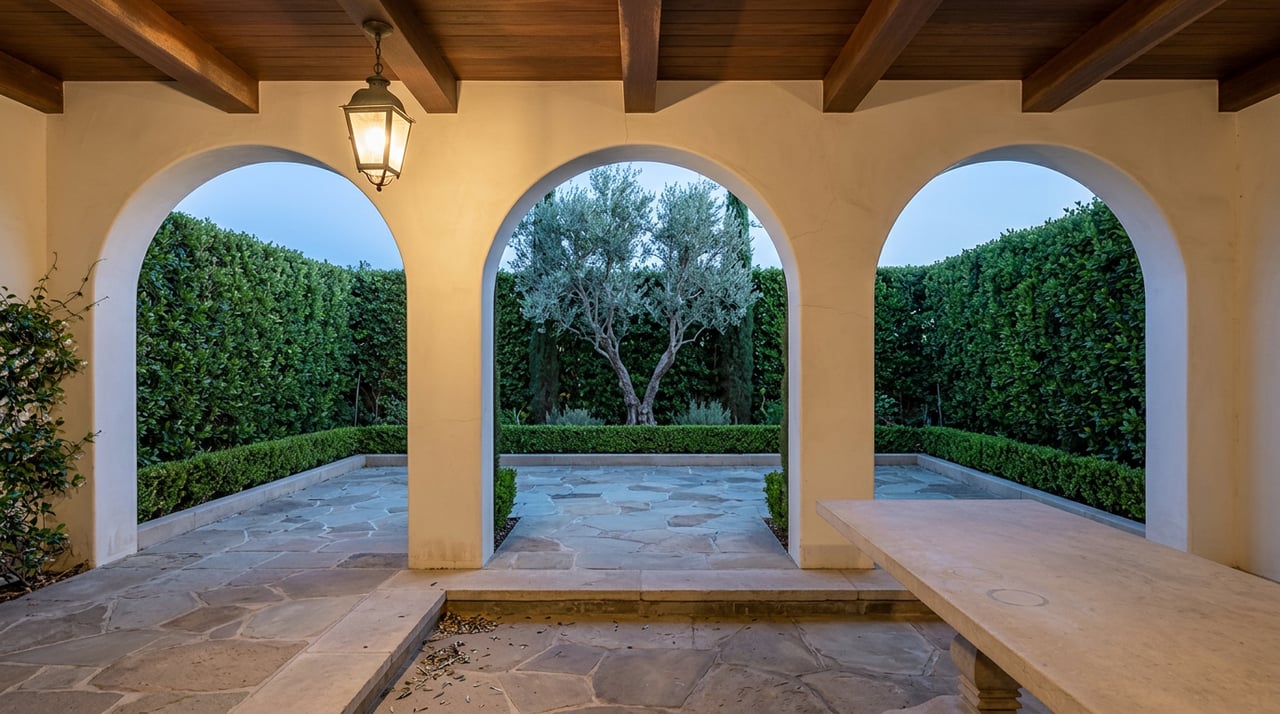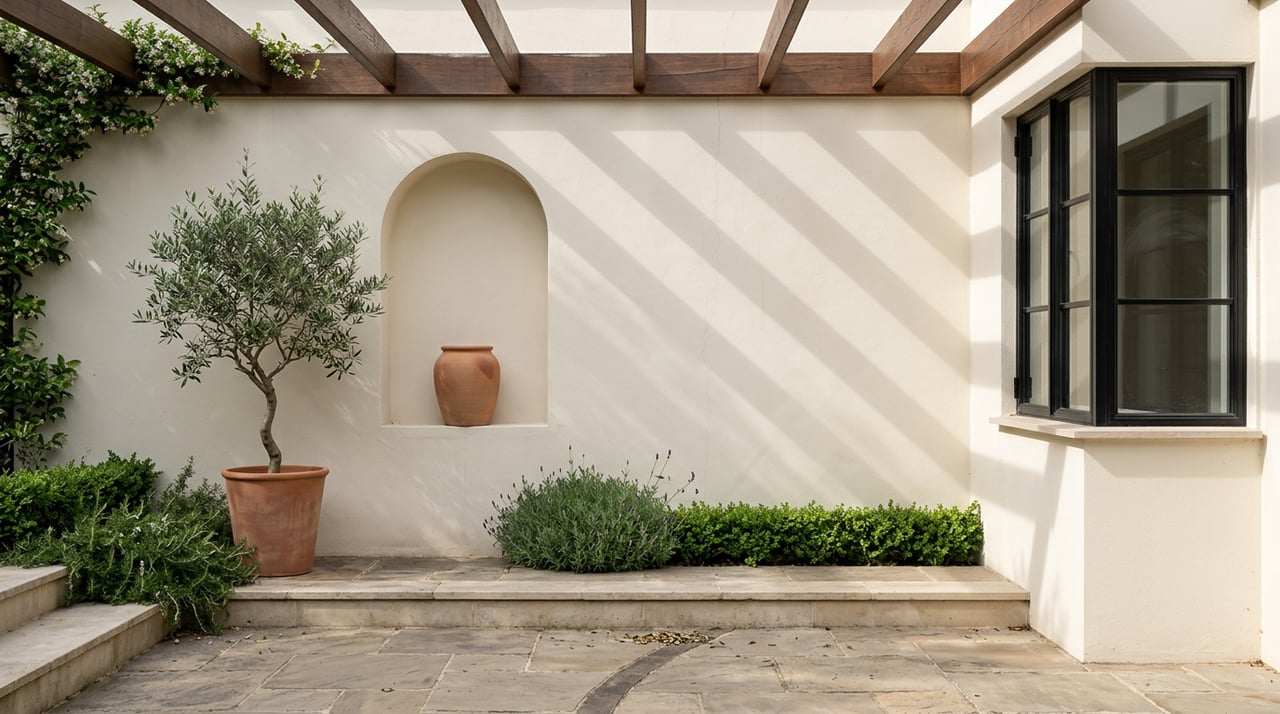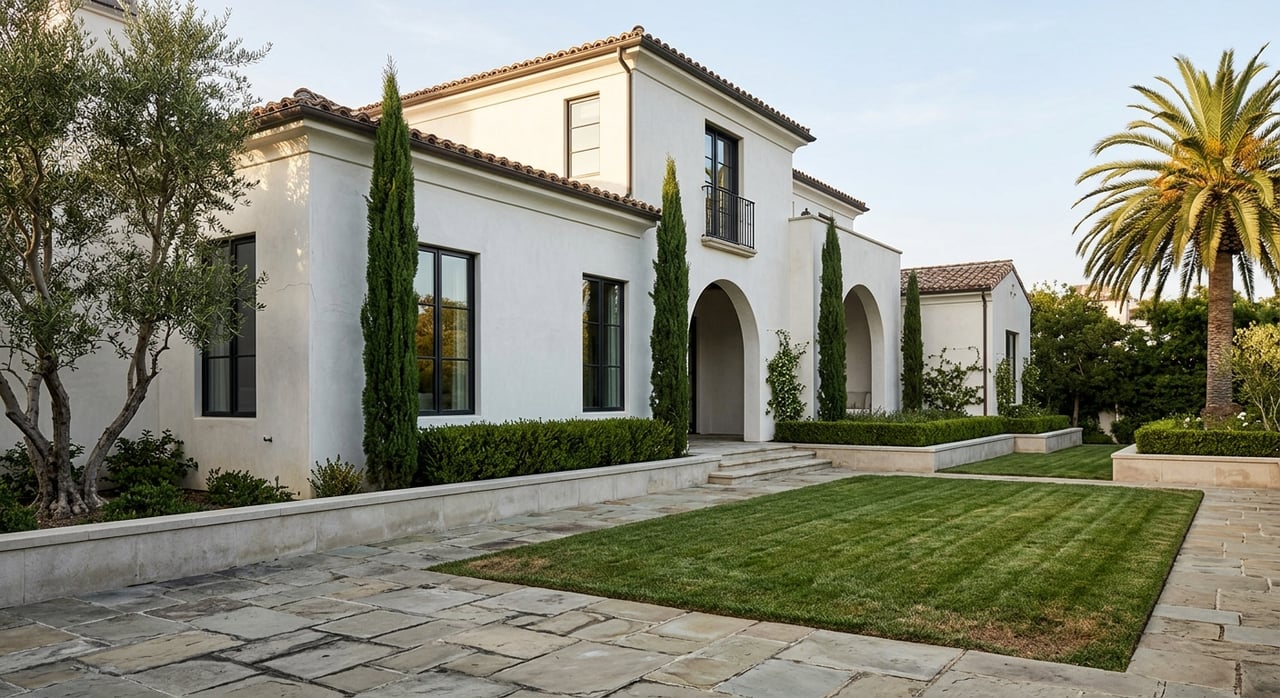
If you are evaluating an estate in Bel Air as a renovation candidate, expansion play, or full rebuild, the biggest mistake is assuming lot size tells the whole story. In this market, redevelopment potential is rarely simple, and what looks straightforward from the street can carry major site, planning, and design constraints. A more informed review can help you understand where real opportunity exists, where friction may appear, and how to think about value with greater precision. Let’s dive in.
Why Bel Air redevelopment is different
Bel Air redevelopment is highly site-specific because the neighborhood sits within the Bel Air-Beverly Crest Community Plan Area, where the stated residential goal is to preserve and enhance the area’s varied character. The plan emphasizes minimizing grading, preserving natural topography, protecting scenic views and open space, and keeping zoning aligned with planned land-use densities. In practical terms, that means two estates with similar square footage can have very different redevelopment outlooks.
The physical layout of Bel Air adds another layer. SurveyLA notes that many properties in the area cannot be fully evaluated from the public right-of-way because of privacy walls, gates, landscaping, large lots, steep sites, and winding roads with limited access. For you as a buyer, seller, or investor, that means curb appeal alone does not reveal how easy or difficult a parcel may be to reposition.
Bel Air also has a deep subdivision and architectural history. SurveyLA identified planning districts such as Bel Air Estates, Beverly Crest, and Stone Canyon Road, along with notable mid-century and late-modern properties by significant architects. That history matters because not every older estate should be viewed as a clean tear-down opportunity.
The rules that shape redevelopment
Hillside rules often set the baseline
For many single-family parcels in designated hillside areas, the Baseline Hillside Ordinance is the starting point. The ordinance applies to single-family zones such as R1, RS, RE, and RA when the parcel is located in a Hillside Area, and it uses slope bands to calculate maximum residential floor area. That is one reason a large lot does not automatically translate into a larger buildable home.
The city’s guidance also makes an important point: you should verify hillside status in ZIMAS rather than rely on an H suffix alone. In Bel Air, that distinction can materially affect what may be built and how a redevelopment strategy should be framed.
HCR controls can affect cost and timing
Bel Air-Beverly Crest is also within the Hillside Construction Regulation Supplemental Use District. According to LADBS, the HCR district adds protections against construction-related impacts for single-family hillside projects, including maximum grading limits, hauling truck standards, limits on construction hours and activities, and review for large single-family projects with cumulative residential floor area of 17,500 square feet or more.
For you, that means redevelopment potential is not just about final design. It is also about whether grading, hauling, and construction logistics create added time, cost, or review requirements.
Scenic corridor review may matter
Portions of Bel Air are also affected by the Mulholland Scenic Parkway Specific Plan. This plan was adopted to preserve Mulholland Drive as a scenic corridor, and it regulates uses, height, landscaping, and design review. It also restricts visible development on prominent ridges or within the protected viewshed without approval.
If a parcel falls within that boundary or is visible from Mulholland Drive, the visual relationship between the house and the land becomes especially important. In those cases, design is not just about maximizing square footage. It is also about how the structure sits in the landscape.
Historic context can change the equation
Historic resources may also affect what is practical. Los Angeles City Planning explains that local historic districts require projects to complement historic character, with added review for exterior work, additions, landscaping, and new construction. In Bel Air-Beverly Crest, SurveyLA also identified designated and potentially significant resources, including planning districts that may warrant special consideration in local planning.
This does not mean change is impossible. It means a redevelopment plan should account for whether the existing home, the street pattern, or the surrounding architectural context carries added planning sensitivity.
The site factors that matter most
Slope and buildable pad
In Bel Air, slope is one of the most important drivers of redevelopment potential. A parcel with a flatter pad and a more efficient building envelope will usually be easier to expand or rebuild than a steep site that requires extensive cut-and-fill work. That aligns with the community plan’s emphasis on minimizing grading and preserving natural landforms.
For many estate buyers and sellers, this is where paper value and real-world value can diverge. A visually dramatic hillside lot may offer exceptional views, but if the terrain is difficult, the path to redevelopment can become much more complex.
Access and frontage
Access is a major practical filter in Bel Air. Narrow winding roads, private streets, dead ends, and limited staging areas can affect not only day-to-day usability, but also demolition, hauling, and construction planning. In some cases, access constraints can be just as important as zoning.
A parcel with cleaner frontage and more manageable access often gives you more flexibility. That can make a meaningful difference when comparing two otherwise similar opportunities.
Drainage, easements, and grading needs
Drainage patterns, easements, and grading requirements should be reviewed early because they can materially affect cost and timeline. The community plan’s policies support preserving terrain and using landform grading on prominent or visible slopes where feasible. As a result, sites that require major earthwork may face more friction than lots with a cleaner physical setup.
This is one reason sophisticated redevelopment analysis in Bel Air starts at the site level, not with renderings. The land itself often determines whether the highest and best use is renovation, expansion, or a full rebuild.
Views and orientation
Views are central to value in Bel Air, but they can also complicate redevelopment. SurveyLA notes that many hillside homes are oriented toward views rather than toward the street. That orientation can be a strength, especially when an existing home already captures the site well.
The key question is whether the current siting is already doing much of the heavy lifting. In some cases, the architectural value of a property comes less from its age or size and more from how well it is positioned on the land.
Renovate, expand, or rebuild?
When renovation may make sense
Renovation often makes the most sense when the existing house has architectural significance, sits well on the lot, and can be improved without major grading or view disruption. In Bel Air, this can apply to homes with notable design lineage or strong orientation to a valuable view corridor.
If the home already respects the site in a way that would be difficult to replicate today, preserving and refining it may be the more strategic path. That can be especially true when planning sensitivity or hillside constraints make a fresh start less efficient.
When expansion may be the better path
Expansion can work well as a middle option when the existing building envelope and setbacks can accommodate additional area without triggering a heavier entitlement burden. This approach may allow you to improve livability and value while keeping more of the site’s existing logic intact.
In Bel Air, a measured expansion is often easier to defend than a highly disruptive overhaul. That can matter on parcels with contextual value, notable siting, or physical constraints that limit aggressive redesign.
When a full rebuild becomes more plausible
A full rebuild is generally more plausible when the existing home is functionally obsolete, not historically significant, and the parcel can support a better siting solution within hillside, scenic, and access constraints. The best rebuild candidates are usually the ones where the land offers strong upside without excessive entitlement friction.
As a high-level rule, the most attractive redevelopment opportunities tend to combine strong views, manageable slope, and relatively clean regulatory conditions. The most difficult opportunities are often steep, visible, access-limited sites with scenic corridor or preservation considerations.
A practical diligence checklist
Before you assign redevelopment value to a Bel Air estate, it helps to answer a few straightforward questions:
- What does ZIMAS show for zoning, hillside status, and overlays?
- Is the parcel within the HCR district, and could grading, haul routes, or large-project review be triggered?
- Is the site within the Mulholland Scenic Parkway boundary or visible from Mulholland Drive?
- Do SurveyLA or HistoricPlacesLA identify an individual resource, historic district, or planning district issue?
- Will topography, access, drainage, easements, or grading needs materially affect cost and timing?
This type of diligence does more than reduce risk. It helps you distinguish between a property that looks compelling on paper and one that can actually support your goals with fewer surprises.
What this means for buyers and sellers
If you are buying in Bel Air, redevelopment potential should be evaluated as a layered question of entitlement friction, site geometry, and preservation sensitivity. A large estate lot may still be a weak redevelopment candidate if slope, access, visibility, or contextual issues narrow the path forward.
If you are selling, understanding those same variables can help position your property more intelligently. Some estates are best marketed as land plays, while others deserve to be presented as architecturally or contextually important homes whose value lies in careful stewardship rather than replacement.
In a market as nuanced as Bel Air, the best outcomes usually come from clear site analysis, disciplined positioning, and experienced local judgment. If you are weighing the redevelopment potential of an estate, Joe Babajian can provide a discreet, informed perspective tailored to Bel Air’s complex landscape.
FAQs
What determines redevelopment potential for a Bel Air estate?
- Redevelopment potential in Bel Air is usually shaped by hillside rules, slope, buildable pad configuration, access, grading needs, scenic corridor visibility, and any historic or planning district considerations.
How does hillside zoning affect a Bel Air rebuild?
- For many single-family parcels in designated hillside areas, the Baseline Hillside Ordinance uses slope bands to determine maximum residential floor area, which can limit how much house may be built.
What is the HCR district in Bel Air?
- The Hillside Construction Regulation Supplemental Use District adds rules for construction-related impacts, including grading limits, hauling truck standards, construction activity limits, and review for certain large single-family projects.
Can a Bel Air property near Mulholland face extra review?
- Yes. If a parcel is within the Mulholland Scenic Parkway Specific Plan area or visible from Mulholland Drive, design, height, landscaping, and visual placement on the site may face added review.
Is every older Bel Air estate a tear-down candidate?
- No. SurveyLA identified planning districts and notable architectural resources in Bel Air-Beverly Crest, so some homes may carry design, historical, or contextual value that supports renovation or careful expansion instead of demolition.
What should a buyer or seller review before pricing a Bel Air redevelopment parcel?
- A careful review should include zoning and overlays in ZIMAS, hillside status, HCR applicability, scenic corridor considerations, historic resource flags, and site-specific issues such as slope, access, drainage, easements, and grading demands.