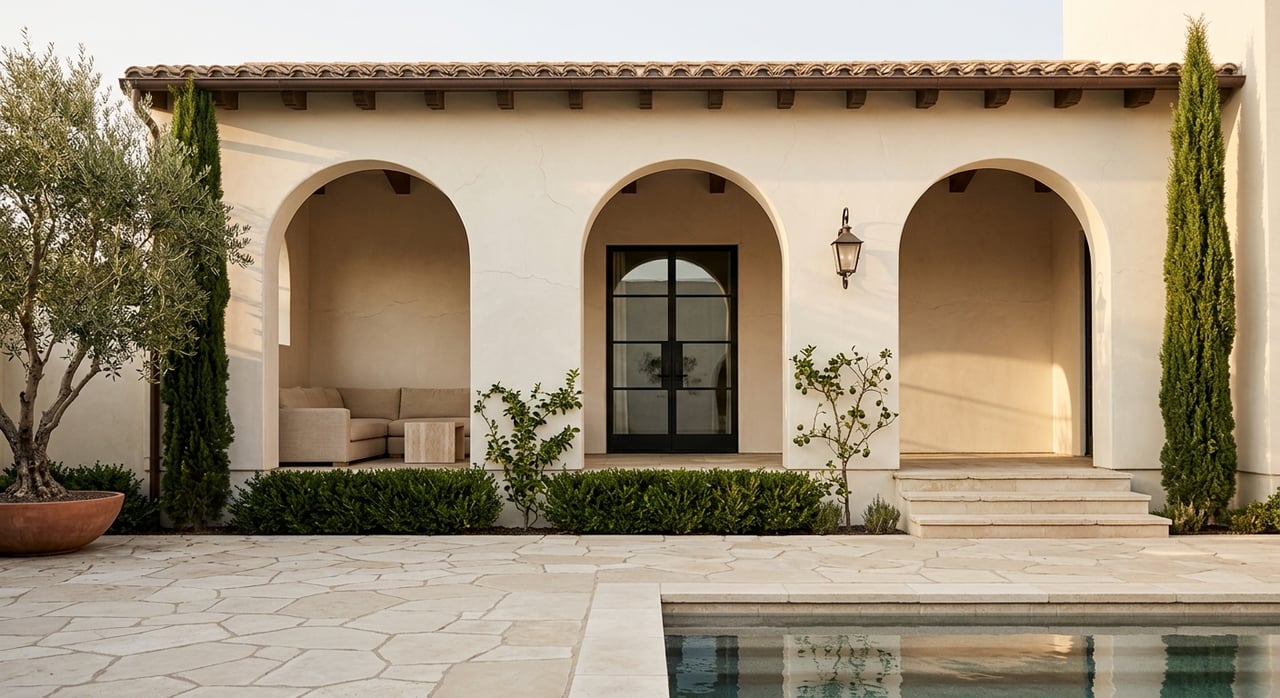
If you are preparing to sell a Bel Air estate, you are not just bringing a home to market. You are positioning a rare asset for a very small, highly selective buyer pool that often includes internationally mobile wealth. In today’s market, premium results usually come from careful preparation, a clear narrative, and disciplined exposure. Let’s dive in.
Bel Air Starts With Estate Identity
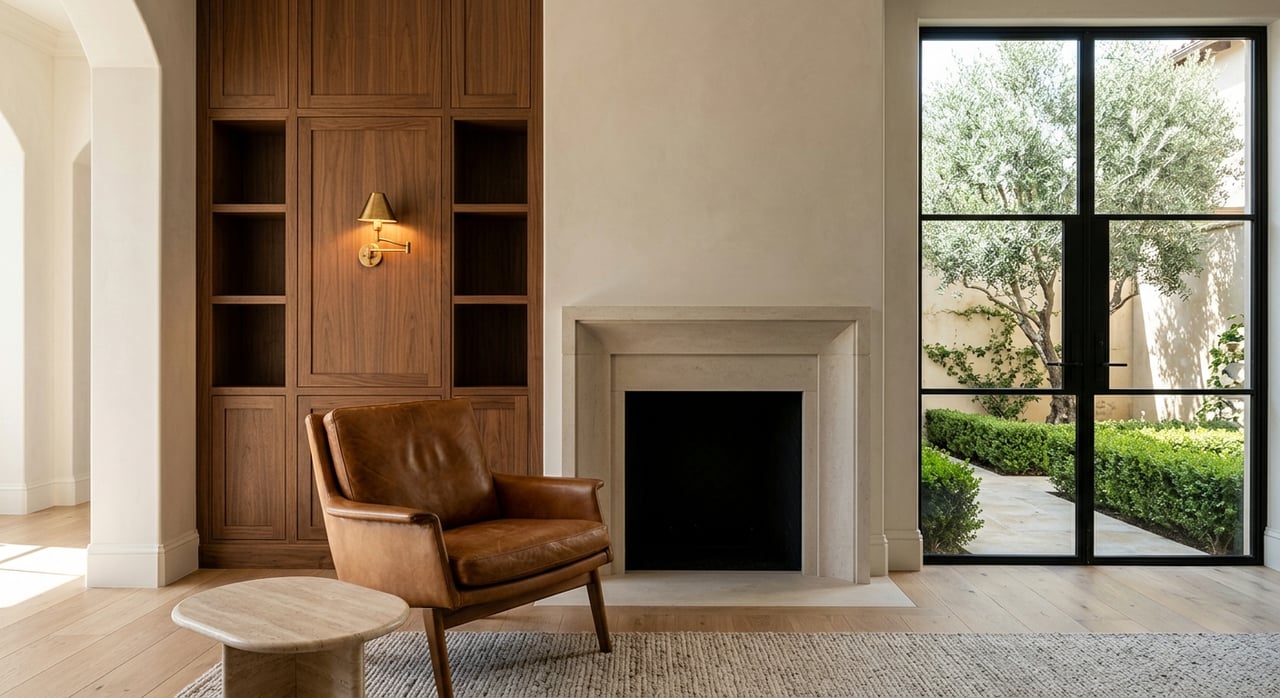
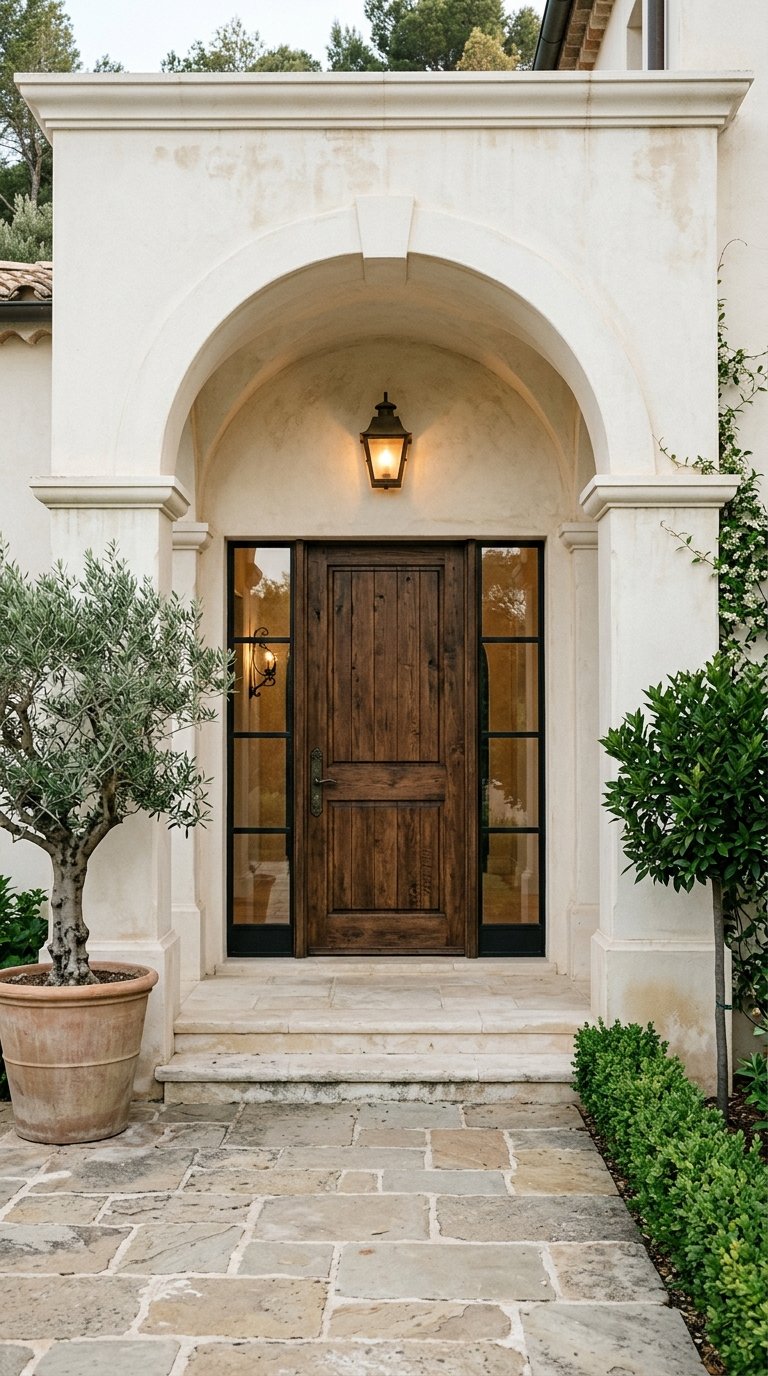
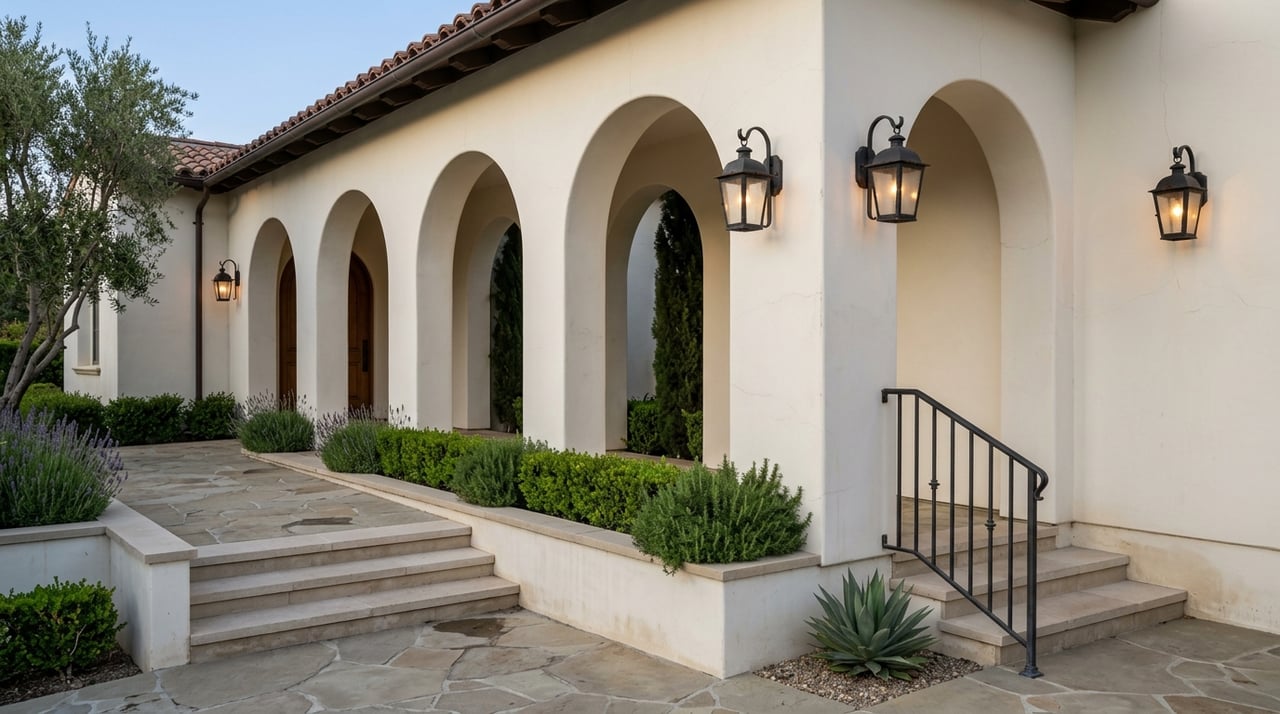
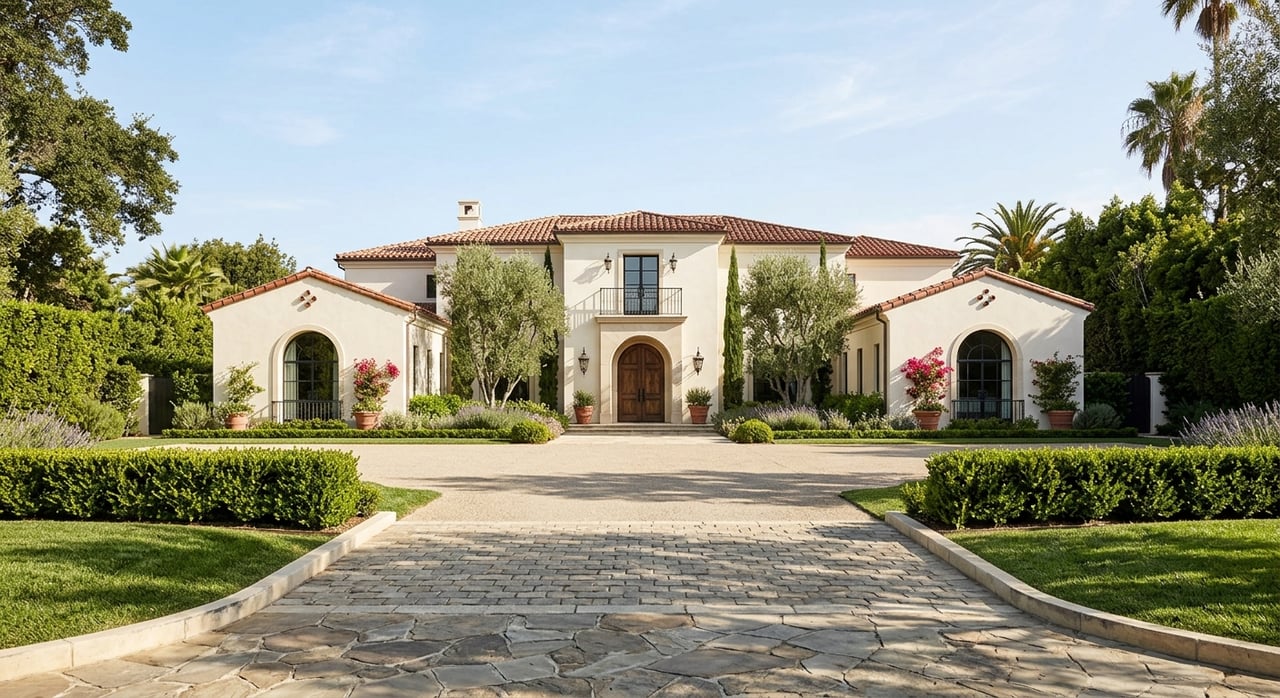
Bel Air’s appeal begins with its physical character and long-standing planning vision. According to the City of Los Angeles, the area was laid out as an estate district with large irregular parcels, winding streets, mature landscaping, and homes often screened by hedges, gates, and privacy walls. The same planning record also points to an early emphasis on scenery, underground utilities, and architectural harmony, all of which still shape how buyers perceive the neighborhood today.
For global buyers, that matters because they are often looking for more than square footage. They want a property in a location with instant recognition and a built-in sense of permanence. Bel Air offers that combination in a way few Los Angeles neighborhoods can.
Market Conditions Shape Positioning
Even at the top of the market, timing and presentation matter. In the May 2025 Bel-Air/Holmby Hills micro-market report, Douglas Elliman reported a median sales price of $3.9625 million, an average price of $1,689 per square foot, and 218 properties for sale, up 40.6% year over year.
That increase in available inventory means your estate may face more competition for attention than it would in a tighter cycle. A strong launch is still possible, but it usually depends on how clearly the property is differentiated before it reaches the market.
Knight Frank’s late-2024 outlook for prime Los Angeles adds useful context. Its research forecast a modest 2025 decline for prime LA pricing overall, while also noting that best-in-class properties can still achieve record sales. In other words, the broader market may be more measured, but truly exceptional homes can still outperform when the story and execution are right.
What Global Buyers Look For
International demand for U.S. housing remains meaningful, but highly selective. The National Association of Realtors reported that foreign buyers purchased $56 billion in U.S. existing homes from April 2024 through March 2025, with 47% paying all cash. California accounted for 15% of those foreign-buyer purchases, and the top countries of origin were China, Canada, Mexico, India, and the United Kingdom.
For a Bel Air seller, this suggests a buyer pool that is often well-capitalized and able to move decisively. It also suggests that your eventual buyer may be comparing Bel Air not just with Beverly Hills or Holmby Hills, but with top luxury markets around the world.
Knight Frank’s 2025 family-office research adds another layer. The report found that 42% of family offices expected to increase their real estate exposure over the next 18 months, with luxury residential ranking among the most desired sectors.
That matters because many global buyers are not viewing a Bel Air estate as a short-term trade. They are often evaluating it as a long-term store of value, a reputational asset, and a property that can stand up to scrutiny from advisors and family decision-makers.
Key Bel Air Buyer Priorities
A global buyer evaluating a Bel Air estate is often focused on a few core questions:
- Is the location globally recognizable?
- Does the property feel private and secure?
- Is there architectural or historical credibility?
- Does the estate have a clear, defensible story?
- Will the asset still feel relevant years from now?
When your marketing addresses those points clearly, the home becomes easier for buyers to justify emotionally and financially.
Architecture Carries the Premium Story
In Bel Air, architecture is not a side detail. It is often the foundation of the premium. The city’s historic survey of Bel Air-Beverly Crest identifies homes by notable architects including George Washington Smith, Wallace Neff, Paul Williams, Richard Neutra, and Lloyd Wright, and describes many estates as compound-style properties with guest houses, gardens, pools, tennis courts, and other estate-scale features.
That documented architectural legacy is one reason Bel Air continues to command worldwide attention. Buyers at this level are often drawn to homes that feel rooted in place, not interchangeable with luxury product in any other city.
Christie’s 2025 Global Luxury Real Estate Forecast reinforces that shift. Its report notes that high-net-worth buyers are increasingly moving away from cookie-cutter modernism and toward homes with authenticity, heritage, and a stronger connection to place. In Southern California, the same commentary points to renewed interest in traditional and transitional architecture, even as certain hillside properties still support more modern forms.
How to Present Provenance
If your estate has meaningful architectural authorship, a known design lineage, or a long history of thoughtful stewardship, that should be presented with precision. The goal is not to overstate the story. The goal is to document and frame what makes the property irreplaceable.
That may include:
- Original architect or design pedigree
- Land size and estate-scale site planning
- Notable materials or craftsmanship
- Mature landscaping and garden structure
- Guest houses, courts, pools, or compound features
- A clear record of maintenance, updates, or restoration
When provenance is visible and credible, it helps justify premium pricing in a market where buyers are increasingly selective.
Privacy Is Part of Value
In Bel Air, privacy is not just a convenience. It is often part of the property’s value proposition. The city’s planning description highlights large lots, gated driveways, walls, and hedges, while the Bel-Air Association emphasizes priorities such as security, architectural integrity, emergency preparedness, street safety, and beautification.
For global and high-profile buyers, these are practical concerns. Privacy, controlled access, and defensible design often shape how a property feels day to day, and they can influence whether a buyer sees the estate as truly suitable for their lifestyle.
This is one reason generic mass-market presentation often underperforms at the high end. If an estate’s strongest features are discretion, scale, and protected arrival, the launch strategy should respect those same qualities.
A Smarter Pre-Market Plan
A successful Bel Air launch often starts well before photography or public marketing. In a market with rising inventory and selective demand, pre-listing work can have a direct effect on both pricing power and time on market.
That early preparation should usually focus on three areas: the physical presentation of the estate, the clarity of the property narrative, and the structure of the eventual rollout. Each piece supports the others.
Prepare the Asset
Before launch, sellers should look closely at the details buyers will use to judge quality and care. At the estate level, deferred maintenance or incomplete presentation can weaken the property story quickly.
Focus on items such as:
- Gate, drive, and arrival experience
- Landscaping, hedging, and exterior privacy screening
- Pool, guest house, and outdoor entertaining areas
- Lighting, hardware, and visible finish quality
- Documentation for renovations or capital improvements
The goal is to make the estate feel coherent, maintained, and ready for scrutiny.
Refine the Narrative
Luxury marketing works best when it is specific. Instead of generic language about lifestyle, a Bel Air estate should be positioned around tangible points of distinction such as architecture, site, privacy, pedigree, and scale.
That narrative should be simple enough to repeat consistently across private presentations, broker conversations, and any earned editorial opportunities. Buyers remember clarity.
Control the Rollout
Christie’s notes that one of the major luxury trends for 2025 is heightened attention to privacy and security. In practice, that supports appointment-only access, careful buyer vetting, controlled photography, and a measured showing plan that protects the owner while maintaining confidence in the offering.
For some estates, selective pre-market exposure may make sense before a wider launch. That approach is usually most effective when the property already has a compelling story and the representation team can reach qualified buyers directly through trusted channels.
Global Reach Should Be Curated
When selling a marquee Bel Air estate, broader exposure is not always better exposure. The likely buyer pool is small, international, and often relationship-driven.
That is why curated distribution matters. Christie’s reports that its network spans nearly 50 countries and territories, while NAR notes that its global network extends to more than 100 real estate organizations across nearly 80 countries. For an estate-level listing, this kind of referral infrastructure can be more useful than mass-market visibility because it puts the property in front of the people most likely to act.
Editorial coverage can also help, but only when it supports the property’s rarity. Christie’s notes that homes with award-winning design, heritage status, or culturally significant settings are often viewed as unique investments. In Bel Air, press is most effective when it reinforces architecture, land, provenance, and authenticity rather than relying on generic luxury language.
Pricing Must Account for Measure ULA
For many Bel Air sellers, pricing is no longer just about market comparables and negotiation strategy. It also has to account for transfer tax exposure.
According to the City of Los Angeles Office of Finance, for transactions closing after June 30, 2025, sales above $5.3 million but below $10.6 million are taxed at 4%, and sales at $10.6 million or more are taxed at 5.5%, in addition to the city’s base transfer tax.
At Bel Air price points, that can materially affect net proceeds. It can also influence pricing strategy, especially when a seller is deciding whether to price just below, within, or well above a threshold based on the uniqueness of the estate and expected demand.
Why Early Tax Modeling Matters
A polished launch can lose momentum if the seller has not modeled net proceeds clearly from the start. Measure ULA makes that pre-listing math even more important.
Before going to market, sellers should understand:
- The likely closing price range
- The applicable ULA bracket
- The impact on estimated net proceeds
- Whether timing could affect the tax treatment
- How pricing strategy may change around a threshold
This kind of planning helps you make clearer decisions before the property is exposed to the market.
Positioning Is What Wins Attention
In a softer but still opportunity-rich prime LA market, Bel Air estates do not command premium pricing simply because they are located in Bel Air. They command it when buyers can quickly see why a specific estate is rare, defensible, and difficult to replicate.
That usually comes down to five elements working together: architecture, land, privacy, narrative, and launch discipline. When those elements are aligned, a property stands out to the exact audience most capable of paying for quality.
If you are considering a sale, the right strategy starts with a confidential review of the estate itself, the likely buyer profile, and the most effective way to bring the property to market. To discuss a tailored approach, connect with Joe Babajian.
FAQs
What do international buyers typically value in a Bel Air estate?
- International buyers often focus on architecture, privacy, land, security, and a property story that feels credible and easy to defend to advisors and family decision-makers.
Is the 2025 Bel Air market strong enough to support premium pricing?
- The broader prime Los Angeles market is more measured, but best-in-class properties can still achieve exceptional results when presentation, pricing, and narrative are handled well.
Why does architecture matter so much when marketing a Bel Air property?
- Architecture can help distinguish an estate from competing listings, especially in a market where buyers are showing more interest in authenticity, heritage, and homes with a clear sense of place.
Should a Bel Air estate be marketed privately before going public?
- In some cases, selective pre-market exposure makes sense, especially for privacy-sensitive properties, but it works best when there is already qualified buyer reach and a strong property story.
How does Measure ULA affect a Bel Air home sale?
- Measure ULA can materially change seller proceeds because qualifying Los Angeles sales above certain thresholds are subject to added transfer tax, so early pricing and net-sheet planning are important.