If you have spent time in Beverly Hills, you have seen how one street can showcase a century of design. From tile-roofed Spanish villas to glassy modern statements, style is a real driver of value here. Whether you plan to buy, sell, or refine an estate, understanding the architecture helps you protect comfort, privacy, and resale. This guide breaks down the defining styles, what buyers and collectors value, and how to balance preservation with modern living. Let’s dive in.
Why style matters in Beverly Hills
Beverly Hills grew rapidly from the 1920s through the postwar era, then evolved again with late twentieth-century and current luxury builds. That layered history explains today’s mix of Mediterranean revivals, Hollywood-era glamour, mid-century modern homes, and contemporary estates. Style signals more than looks. It reflects craftsmanship, indoor-outdoor flow, and the kind of lifestyle a property can support.
Collectors often pay premiums for architect pedigree, authentic materials, and intact layouts. Modern buyers also want current systems, high performance windows, and technology. The best results usually pair authenticity with discreet upgrades that respect the home’s character.
Spanish Colonial and Mediterranean Revival
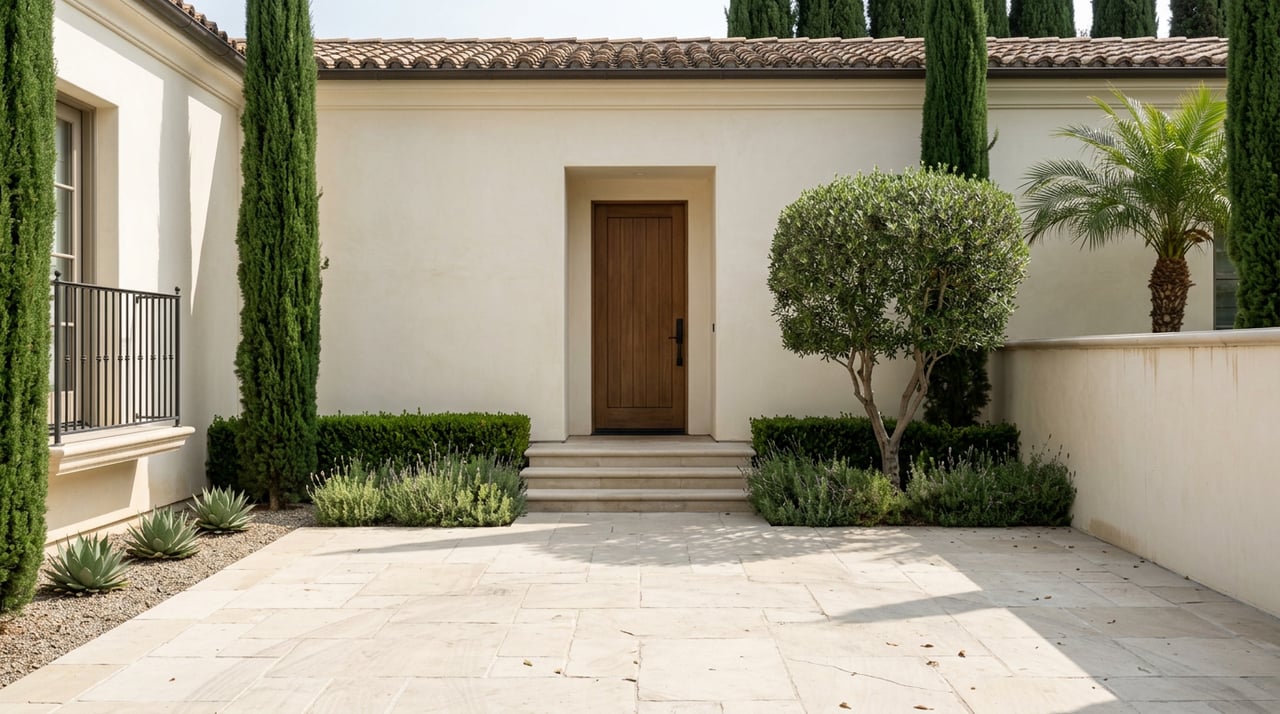
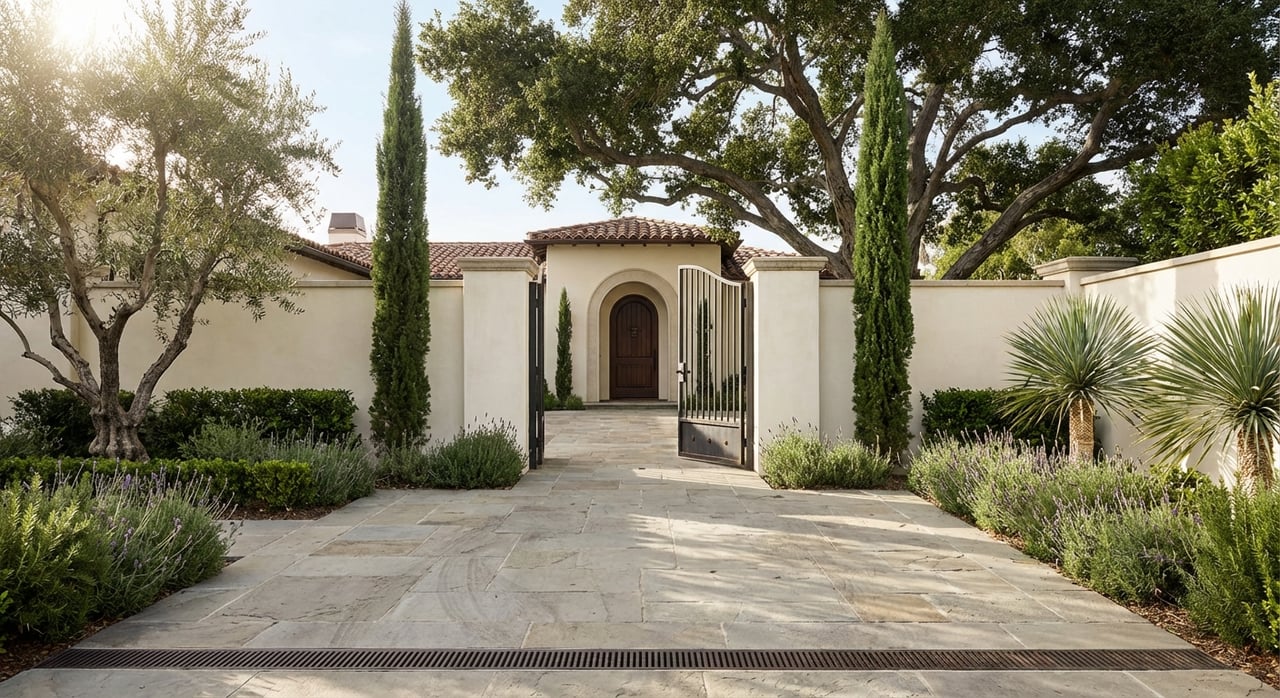
These homes were dominant in the 1920s and 1930s and remain Beverly Hills icons.
- Look for: stucco walls, low red clay tile roofs, arched openings, wrought-iron balconies, decorative tile, and interior courtyards.
- Interiors: wood-beamed ceilings, terra-cotta or patterned tile floors, detailed fireplaces, rooms that center on a courtyard.
- Why buyers love it: early Beverly Hills glamour, private courtyards, and artisan details. Notable regional architects include Wallace Neff and Paul R. Williams.
Modernization trade-offs: Original tiles, ironwork, and plaster are prized, but older plans may feel more compartmentalized. Plan careful system upgrades, seismic work, and kitchen improvements that avoid damaging historic finishes.
Hollywood Regency glamour
Popular from the 1930s through the 1950s, this style is synonymous with theatrical elegance.
- Look for: symmetry, bold entries, mirrored or lacquered surfaces, decorative moldings, and formal gardens.
- Why buyers love it: a sense of occasion and provenance, especially when interiors remain intact. Designer John Elgin Woolf helped define the local look.
Modernization trade-offs: Respect ornamental plasterwork and millwork while updating kitchens and baths. Opening floor plans is possible, but keep the dramatic entry sequence and formal rooms legible.
Beaux-Arts and French grand estates
Early mansion-scale builds in the 1910s to 1930s bring classical presence and formal landscapes.
- Look for: strong symmetry, columns and pediments, stone or stucco finishes, circular drives, and grand-scale rooms.
- Why buyers love it: provenance, scale, and formal gardens. These properties often have landmark potential.
Modernization trade-offs: Upgrading large structures is costly. HVAC, seismic work, and landscape care require planning and specialized teams, especially if heritage plantings are present.
Tudor Revival character
Storybook detail and craftsmanship make Tudor Revival homes enduring favorites from the 1920s and 1930s.
- Look for: steep gables, half-timbering, leaded-glass windows, tall chimneys, and brick or stone accents.
- Why buyers love it: romantic charm and finely crafted details.
Modernization trade-offs: Leaded-glass windows and smaller rooms are character-defining. Any window upgrades should replicate profiles. Openings between rooms can be added thoughtfully to improve flow.
Mid-century modern clarity
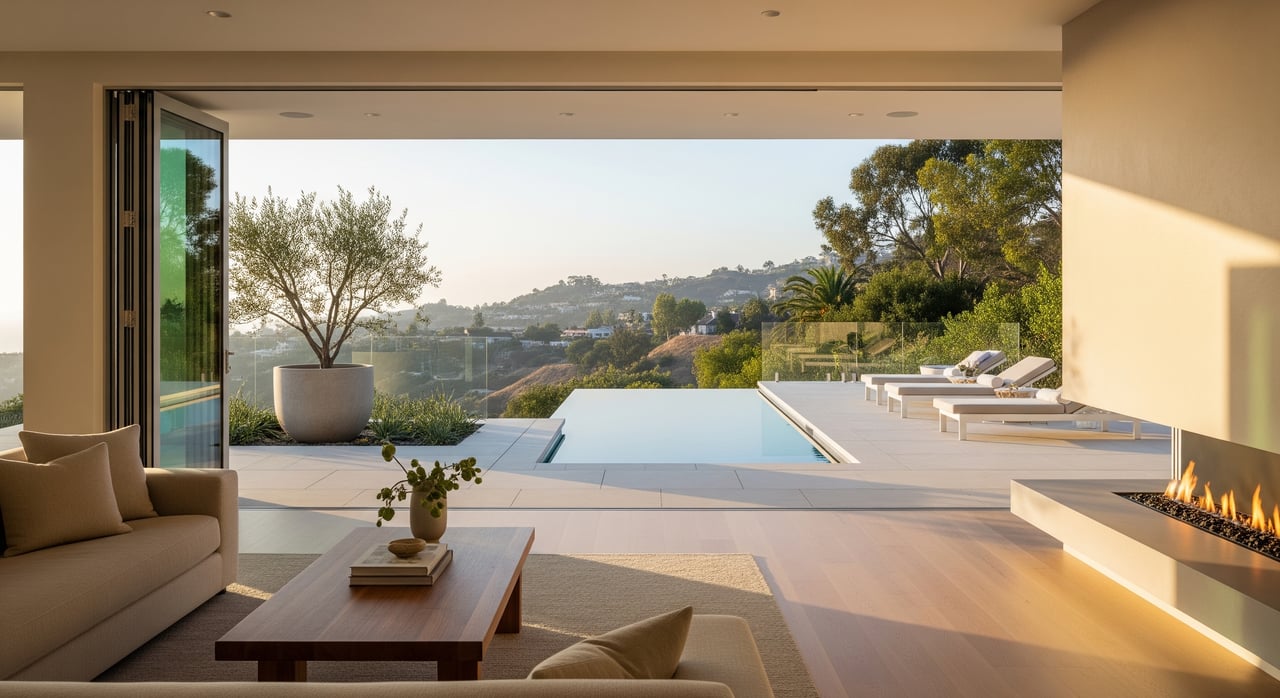
Postwar modernism, especially from the 1940s to 1960s, values light, proportion, and indoor-outdoor living.
- Look for: flat or low-pitched roofs, horizontal lines, expansive glass, open plans, and built-ins.
- Why buyers love it: architectural pedigree, purity of form, and transparency to gardens. Los Angeles masters include Richard Neutra, Rudolph Schindler, John Lautner, Craig Ellwood, and mid-century work by Paul R. Williams.
Modernization trade-offs: Preserve sightlines, original window rhythms, and built-ins. Upgrades often include better insulation, discreet HVAC routing, and high-performance glazing that respects original proportions. Large glass walls can need energy and privacy strategies.
Ranch and postwar suburban homes
These 1940s to 1960s houses offer single-story ease and generous lots.
- Look for: low-pitched roofs, attached garages, and informal plans that face the backyard.
- Why buyers love it: usability and expansion potential.
Modernization trade-offs: Some lack architectural pedigree, but they are flexible canvases for additions. Expect neighborhood compatibility reviews in certain zones when expanding.
Contemporary and high-end modern
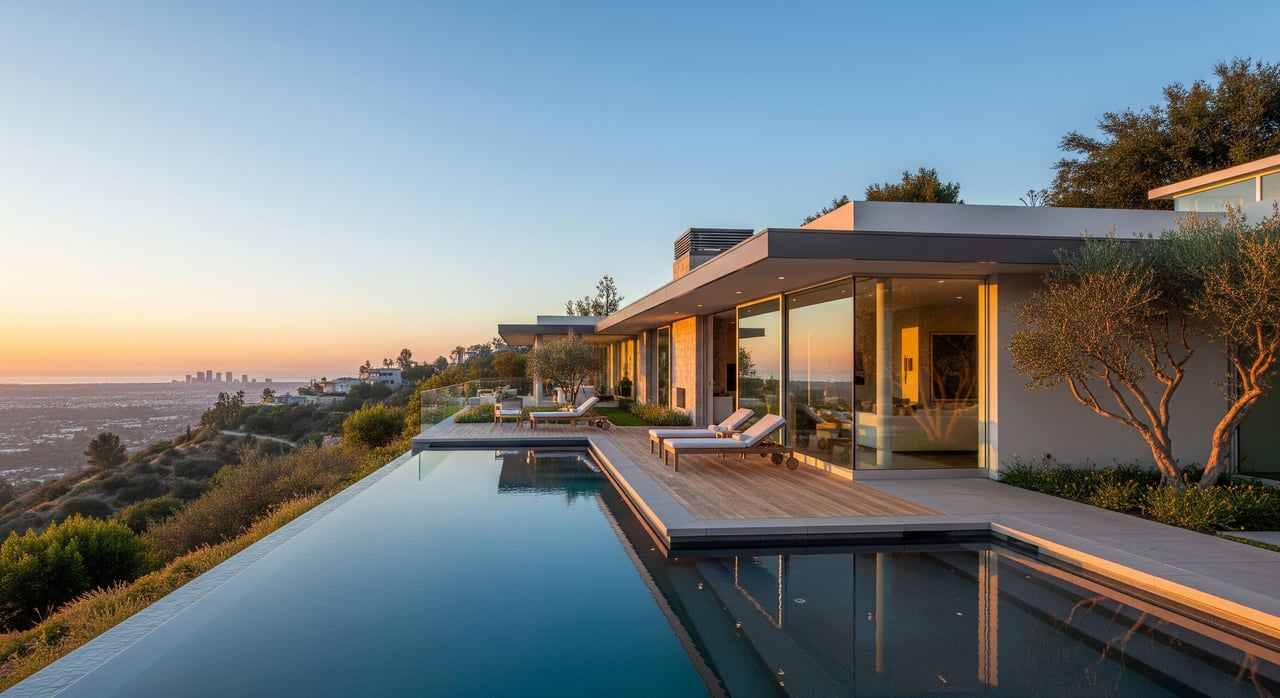
From the 1980s to today, contemporary estates showcase engineering and lifestyle amenities.
- Look for: bold forms, extensive glazing, steel and concrete, minimalist finishes, smart-home systems, wellness spaces, theaters, and resort-level poolscapes.
- Why buyers love it: open plans, technology, energy performance, privacy, and views. Newer custom work by recognized architects can carry collector value.
Modernization trade-offs: Most needs are about personalization rather than restoration. Focus on systems integration, security, and landscape design that enhances privacy.
Transitional blends
Beverly Hills also features hybrids, such as a Mediterranean exterior with a clean, modern interior. These blends can capture the best of both worlds. Success depends on proportion, materials, and consistent detailing so the property feels intentional rather than piecemeal.
What buyers and collectors value
Across styles, certain elements consistently drive interest and pricing.
- Provenance and pedigree: Named architects, documented history, and thoughtful restorations matter.
- Integrity: Original tile, plaster, windows, millwork, built-ins, and circulation patterns are prized.
- Indoor-outdoor living: Courtyards, loggias, terraces, and poolscapes are essential in this market.
- Adaptability: Open-plan entertaining, modern kitchens, offices, and wellness spaces without loss of character.
- Systems and performance: Robust electrical for EV charging and automation, efficient HVAC, and improved envelopes.
- Privacy and security: Gated entries, hedging, drive courts, and technology-forward security are top priorities.
- Landscape and lot: Mature trees, usable outdoor areas, and formal gardens add enduring value.
Preservation or modernization
The right approach depends on the property’s status, condition, and goals. Beverly Hills has local procedures for designated historic resources. California also offers potential tax relief through the Mills Act for qualifying, locally designated properties that are maintained under contract. Designation can provide prestige and incentives, yet it may also add review steps and limit certain alterations. Early due diligence is key.
Common upgrade issues to plan for
- Structural and seismic work to meet current standards.
- Electrical, plumbing, HVAC, and fire suppression that require careful routing to protect historic finishes.
- Window and envelope improvements for energy and noise while keeping original profiles.
- Accessibility and eased circulation, especially in older layouts.
- Landscape and hardscape preservation, including historic stairs, walls, fountains, and mature trees.
Design strategies that work
- Preserve, then adapt: Keep character-defining public spaces and finishes. Place major kitchen expansions or family rooms in secondary areas or as discreet additions.
- Reversible interventions: Plan additions and system runs that can be removed without permanent damage.
- Sympathetic additions: Match massing, materials, and rhythms while keeping the historic portion legible.
- Interior layering: Protect signature rooms and details while opening less significant areas.
- Use specialists: Preservation architects, structural engineers, materials conservators, and experienced contractors reduce risk and protect value.
Due diligence checklist
Before you commit to a purchase or a renovation, move through a structured review.
- Title and designation: Check for local historic listing or cultural resource status with city planning staff.
- Provenance: Gather plans, architect attribution, historic photos, restoration records, and prior sale history.
- Condition survey: Engage a structural engineer and an architect familiar with historic properties to assess foundations, seismic safety, roofing, envelope, and systems.
- Systems capacity: Verify electrical panel size, HVAC condition, plumbing, and any environmental hazards.
- Permit history: Review records for prior alterations and compliance.
- Landscape and hardscape: Document significant plantings, masonry, fountains, and any protected trees or easements.
- Cost planning: Obtain preliminary estimates for seismic work, window upgrades, energy improvements, and kitchen or bath modernization.
Choosing the right team
The best outcomes are collaborative. Consider a preservation architect or architect with historic restoration experience, a structural engineer with seismic expertise, and a materials conservator for plaster, tile, or millwork. A landscape architect who understands historic gardens can guide sensitive updates. You also want a real estate advisor who understands both provenance and buyer expectations in Beverly Hills. That combination helps you protect authenticity while delivering the comfort and performance today’s market requires.
When you are ready to evaluate options, discreet guidance and an informed plan make all the difference. If you would like a seasoned, private consult grounded in decades of Westside experience, connect with Joe Babajian for strategic next steps.
FAQs
What defines Spanish Colonial Revival in Beverly Hills?
- Stucco walls, low red clay tile roofs, arched windows and doors, wrought-iron details, and courtyards with decorative tile are the key visual cues.
How does the Mills Act benefit a Beverly Hills homeowner?
- For qualifying, locally designated historic properties, a Mills Act contract can reduce property taxes in exchange for ongoing maintenance of the historic resource.
What do mid-century modern collectors look for most?
- Original sightlines, glass proportions, built-ins, hardware, and open plans that connect to the landscape are top priorities, along with recognized architect pedigree.
Are historic Beverly Hills homes hard to renovate?
- Renovations are feasible with planning, but they may require design review, specialized consultants, and careful routing of new systems to protect character-defining elements.
Should I prioritize lot size or architectural style when buying?
- Both matter, but the best long-term value often comes from a strong lot paired with a style that supports your lifestyle and can be preserved or adapted without losing integrity.
How can I verify an architect’s provenance on a property?
- Request original plans, consult permit records, and review historic photos or documentation; a knowledgeable agent can help coordinate this research as part of due diligence.